
laminated glass sliding door
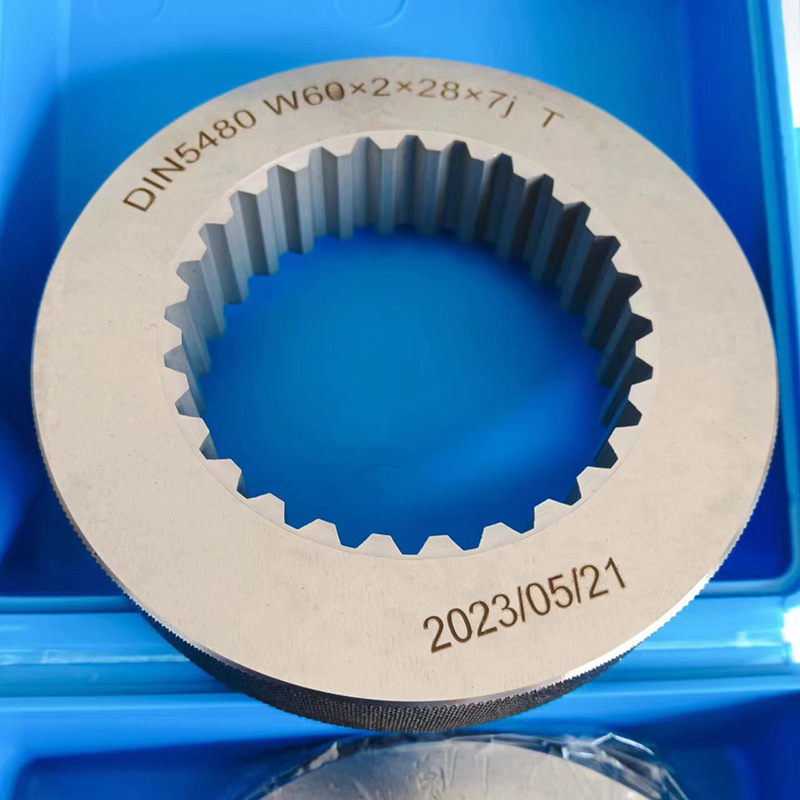
Understanding the Thread Measuring Gauge A Key Tool in Precision Engineering In the world of precision engineering, the importance of accurate measurements cannot be overstated. Among the various tools that facilitate precision, the thread measuring gauge stands out as a vital instrument, particularly in industries that rely on threaded components. This article delves into the significance, types, and applications of the thread measuring gauge, illustrating its essential role in maintaining quality and accuracy in engineering tasks. What is a Thread Measuring Gauge? A thread measuring gauge is an instrument used to measure the pitch, diameter, and depth of threads on various fasteners such as screws, bolts, and nuts. These gauges are designed to enable engineers, machinists, and quality control professionals to ensure that threaded components meet specific standards and tolerances. Accurate measurements are crucial in assuring the proper fit and functionality of assembled parts, thereby preventing mechanical failures or safety hazards. Types of Thread Measuring Gauges Thread measuring gauges come in various forms, each designed to cater to specific measurement needs. The most common types include 1. Pitch Gauges These gauges help measure the pitch of the thread, which is the distance between two adjacent threads. Pitch gauges typically feature multiple blades, each corresponding to different pitch sizes, allowing users to find the correct pitch quickly. 2. Thread Calipers Similar to standard calipers, thread calipers are specially designed to measure the outer diameter of a threaded component. They are equipped with jaws that can closely fit the contours of the threads, providing precise measurements. 3. Go/No-Go Gauges These gauges are used to determine whether a thread fits within specified tolerances. A Go gauge indicates that the thread is acceptable, while a No-Go gauge signifies that it is out of tolerance. This binary method of measurement is essential in quality control processes. thread measuring gauge 4. Thread Micrometers For high-precision applications, thread micrometers can be used . These tools measure the thickness of the threads and can provide highly accurate readings necessary for stringent requirements. Applications of Thread Measuring Gauges Thread measuring gauges find applications in several sectors, including automotive, aerospace, manufacturing, and construction. In the automotive industry, for instance, ensuring that all bolts, screws, and nuts meet specifications is critical for vehicle safety and performance. Similarly, in the aerospace sector, where precision is paramount, thread measuring gauges are employed to ensure that engine mountings and other critical components adhere to strict safety regulations. Moreover, these gauges are indispensable in manufacturing environments where threaded parts are produced in high volumes. Quality control inspectors use thread measuring gauges regularly to verify that produced parts meet industry standards, such as those set by the International Organization for Standardization (ISO) or Society of Automotive Engineers (SAE). Importance of Accuracy and Calibration Maintaining accuracy with thread measuring gauges is crucial, as any deviation can lead to significant issues during assembly or operation. Regular calibration of measuring instruments is necessary to ensure reliability and accuracy. This involves comparing the gauge measurements against known standards and adjusting as necessary to guarantee precise readings. Furthermore, users must be trained in the correct usage of these gauges. Improper handling or measurement techniques can lead to errors, resulting in faulty assemblies or the rejection of acceptable components. Conclusion In conclusion, the thread measuring gauge is an essential tool in the field of precision engineering, promoting accuracy and quality control in threaded components. With various types designed for specific measurement needs, thread gauges uphold the safety and functionality of mechanical systems across multiple industries. As technology advances, the integration of digital measuring tools may further enhance the capabilities of thread measuring gauges, making them even more critical for the future of precision engineering. In a world where the smallest detail can have significant consequences, the thread measuring gauge remains a vital asset to engineers and manufacturers alike.
about
laminated glass sliding door
Metal Saddle Clamp A Versatile and Essential Tool in Woodworking In the world of woodworking, there are numerous tools that are essential for creating。 One such tool is the metal saddle clamp. This simple yet versatile device has been a staple in workshops for decades, and for good reason. A saddle clamp consists of two metal plates connected by a screw mechanism. The plates are designed to fit over the edge of a workpiece, such as a piece of wood or a piece of metal, and can be tightened to securely hold the material in place. The clamp's design allows it to grip the material tightly without damaging it, making it ideal for a wide range of applications. One of the key advantages of the metal saddle clamp is its versatility. It can be used to hold a variety of different materials, including wood, plastic, and even some metals. This makes it an incredibly useful tool for a wide range of woodworking projects, from furniture building to cabinetmaking. Another advantage of the metal saddle clamp is its ease of use. Unlike some other clamps, which can be difficult to adjust, the saddle clamp is designed to be simple and intuitive to use. Simply tighten the screw, and the clamp will securely hold the material in place Simply tighten the screw, and the clamp will securely hold the material in place Simply tighten the screw, and the clamp will securely hold the material in place Simply tighten the screw, and the clamp will securely hold the material in place metal saddle clamp . When you're ready to release the material, simply loosen the screw, and the clamp will release its grip. Perhaps one of the most important advantages of the metal saddle clamp is its durability. Made from high-quality metal, this clamp is built to last. It can withstand heavy use in a workshop environment without showing signs of wear or damage. This means that you can rely on your saddle clamp to provide reliable performance year after year. In conclusion, the metal saddle clamp is a must-have tool for any serious woodworker. Its versatility, ease of use, and durability make it an indispensable part of any workshop. Whether you're building a piece of furniture or working on a complex cabinetry project, the metal saddle clamp is sure to make your job easier and more enjoyable. So if you don't already have one in your workshop, consider adding a metal saddle clamp to your collection today.
-

High quality industrial productsagement

High quality industrial products
View Details -

Meet the diverse needs of customers

Meet the diverse needs of customers
View Details -

Strict quality control

Strict quality control
View Details -

Top raw materials

Top raw materials
View Details -

Trusted supplier

Trusted supplier
View Details
Our application



news and information
welding fab table
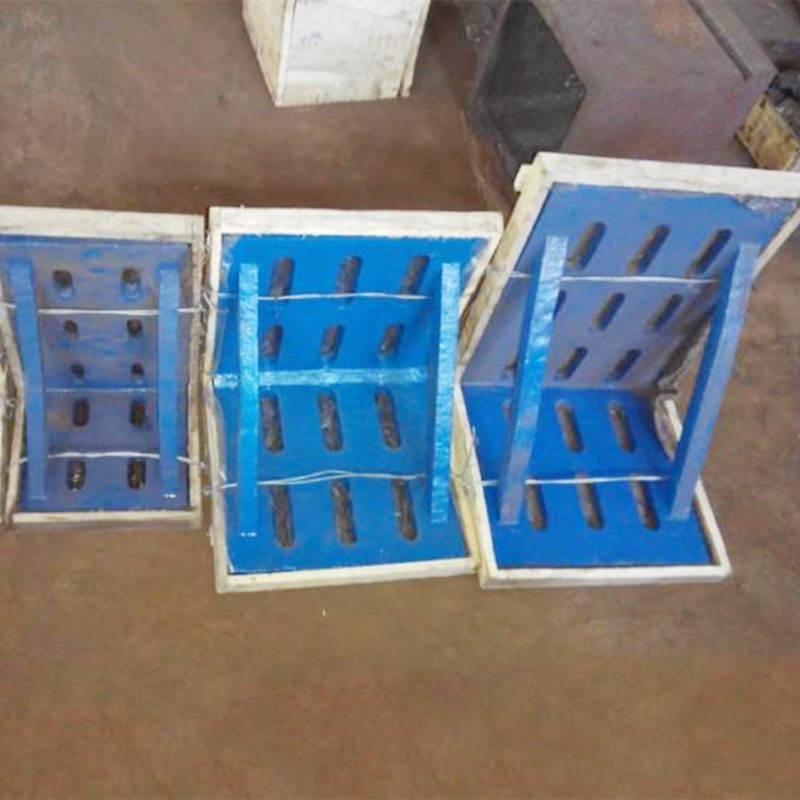
Understanding Welding Fabrication A Comprehensive Guide Welding fabrication plays a critical role in
welded steel workbench
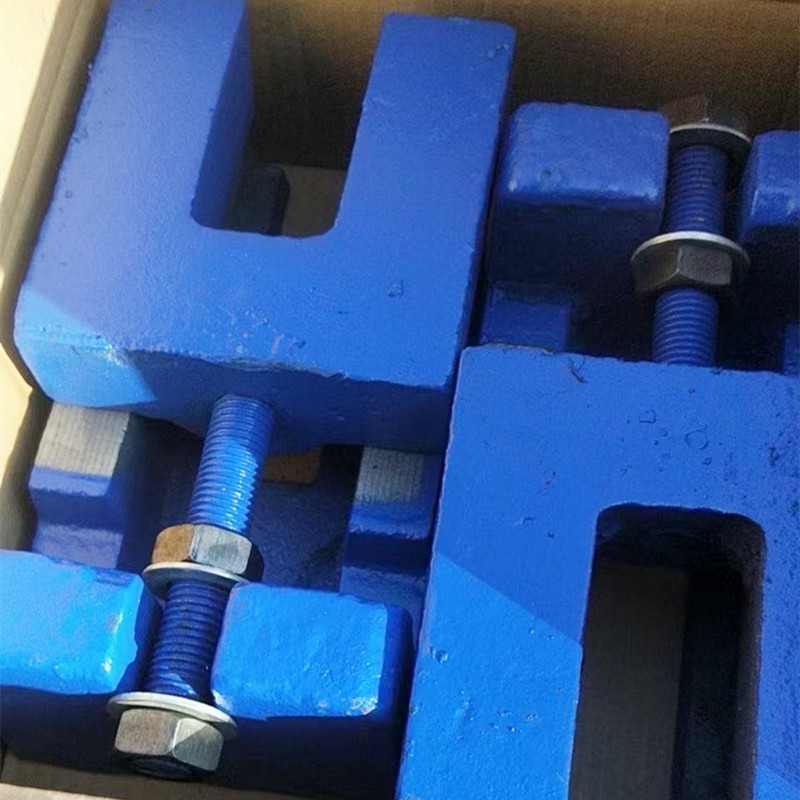
The Advantages of Using a Welded Steel Workbench In the realm of industrial workspaces, the signific
Válvula Strainer Tipo Y - Proteção Eficiente para Sistemas de Tubulação
Válvula de Strainer do Tipo Y Importância e Aplicações As válvulas de strainer, conhecidas também co
 English